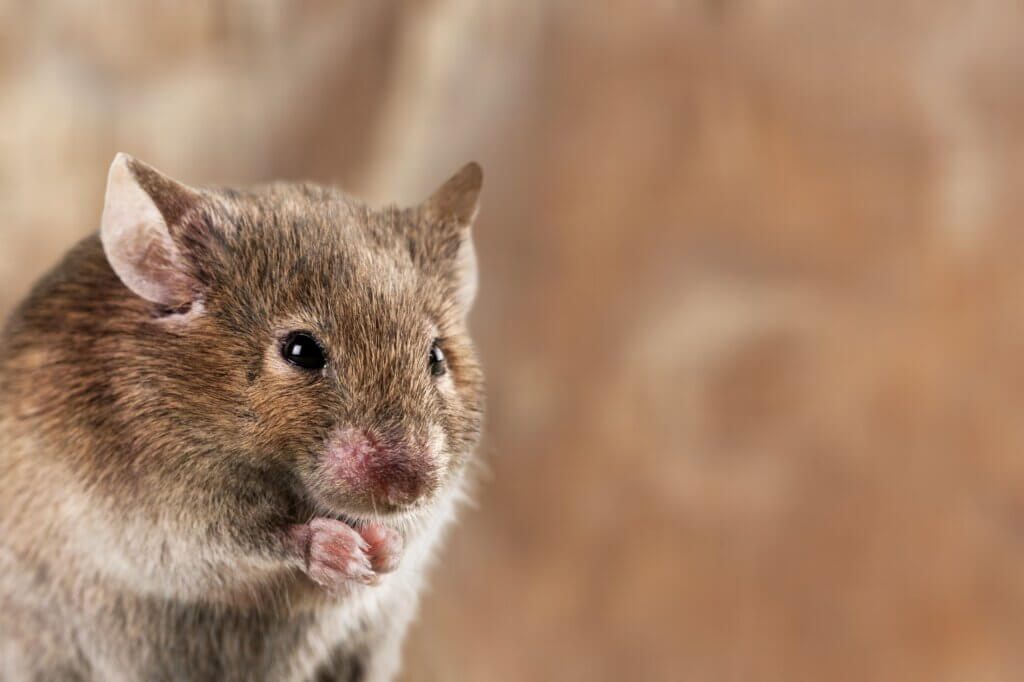
Trapping without exclusion is a subscription, not a solution. A mouse needs a gap the width of a pencil, and the same four or five gaps account for most of the entries we seal on Long Island.

We trap the animals that are already inside and seal the way they came in, in that order — sealing first traps them in the wall. Dryer vents, sill plates, garage door corners and utility penetrations get copper mesh and sealant rather than expanding foam, which rodents chew straight through.

What is included

  • Interior and exterior inspection with every entry point photographed and mapped.
  • Trapping in attics, crawlspaces, wall voids and living areas.
  • Removal of trapped animals on each service visit.
  • Sealing with copper mesh, hardware cloth and sealant — not expanding foam.
  • Droppings cleanup and sanitising in accessible areas.
  • A follow-up visit to confirm the activity has stopped.

How the visit goes

01

Inspection, 60 minutes

Every gap a rodent can use gets found and photographed, inside and out.

02

Trapping

Traps go in where the runways are, not where it is convenient. We service them every few days.

03

Exclusion

Once the interior is clear, the entry points are sealed properly.

04

Follow-up

A return visit two weeks later confirms it is closed out.